
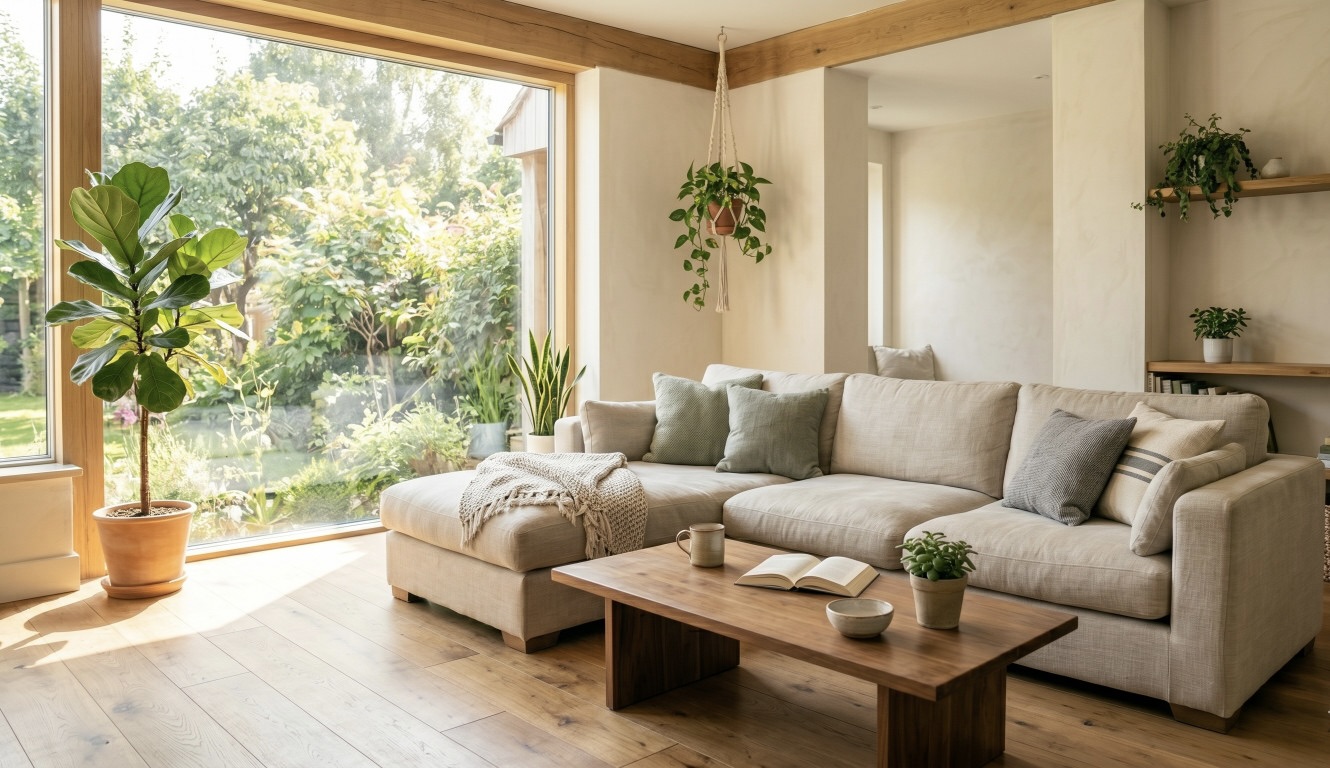
Your home is more than a place to sleep. It’s the environment that shapes your mood, energy, focus, and wellbeing every single day. In 2026, a growing movement is transforming how we think about our living spaces — shifting from purely aesthetic considerations to a holistic focus on how homes can actively support physical and mental health.
From biophilic design to circadian lighting, air quality optimization to intentional space planning, the home wellness movement is creating spaces that genuinely heal, restore, and energize. Here’s how to bring these transformative trends into your own home.
Biophilic Design: Bringing Nature Indoors
Biophilic design — the practice of incorporating natural elements into built environments — has moved from luxury hotels and corporate offices into everyday homes in 2026. The principle is simple: humans evolved in natural environments, and our nervous systems respond positively to natural materials, patterns, light, and living things.
The most impactful biophilic design elements include abundant indoor plants (which also improve air quality), natural materials like wood, stone, and linen, maximizing natural light through strategic window placement and light-colored surfaces, views of green spaces where possible, and natural sound elements like water features or sound systems that play nature soundscapes.
Research from the University of Exeter found that people living in homes with more natural elements reported 15% higher wellbeing and 6% higher productivity — significant impacts from relatively simple design choices.
Circadian Lighting: Light That Works with Your Biology
Light is the most powerful regulator of your circadian rhythm — the internal clock that governs sleep, hormone production, energy levels, and mood. Most modern homes have lighting that works against our biology: uniform, often blue-toned artificial light that disrupts our natural sleep-wake cycles.
Circadian-supportive lighting systems, increasingly available at accessible price points in 2026, adjust color temperature and intensity throughout the day — bright, cool white light in the morning to promote alertness, transitioning to warm amber tones in the evening to support natural melatonin production and restful sleep.
Brands like Philips Hue, Nanoleaf, and LIFX now offer fully programmable circadian lighting systems that can be automated to follow your sleep schedule — a genuinely transformative investment for sleep quality and daytime energy.
Air Quality: The Invisible Wellness Factor
The air inside your home is often more polluted than outdoor air — a surprising fact that many homeowners don’t know. Volatile organic compounds (VOCs) from furniture, cleaning products, and building materials, combined with dust, mold, and pet dander, can create an indoor environment that chronically stresses your respiratory and immune systems.
In 2026, home air quality has become a mainstream wellness priority. High-quality HEPA air purifiers, non-toxic cleaning and furnishing products, regular ventilation habits, and the strategic use of air-purifying plants (like peace lilies, snake plants, and spider plants) are all becoming standard elements of wellness-oriented homes.
Intentional Spaces: Designing for Your Wellbeing Needs
Wellness-focused home design in 2026 emphasizes creating distinct spaces for different activities and mental states — rather than trying to make every space do everything.
A dedicated movement space — even just a corner with a yoga mat and some resistance bands — makes daily exercise infinitely more likely. A reading nook that’s genuinely cozy and free from digital distractions invites the deep, restorative rest that scrolling never provides. A dedicated workspace with proper ergonomics and natural light protects your physical health during long work sessions. And a bedroom that is ruthlessly optimized for sleep — cool, dark, quiet, and free of screens — is perhaps the single most impactful wellness upgrade any home can have.
The Minimalism Connection
Physical clutter creates cognitive clutter. Research in neuroscience has demonstrated that visual complexity and disorder activate stress responses in the brain — meaning a cluttered home is literally stressing your nervous system even when you’re not consciously aware of it.
The growing interest in minimalist home design — not stark or cold, but thoughtfully edited and intentionally arranged — reflects a growing understanding of how our physical environment affects our mental state. Keeping only what you genuinely love and use, ensuring everything has a home, and creating visual breathing room transforms the feel of any space.
Smart Technology for Wellness
Smart home technology in 2026 is increasingly designed with wellness in mind. Sleep tracking integrated with smart thermostats automatically adjusts bedroom temperature for optimal sleep. Air quality monitors trigger purifiers when pollutants rise. Smart kitchen appliances support healthy cooking habits. And ambient sound systems deliver the nature soundscapes and calming music proven to reduce stress and enhance focus.
Conclusion
Your home has a profound impact on your health, happiness, and quality of life — far more than most people realize. The home wellness movement in 2026 invites us to look at our living spaces through a new lens: not just as places that look good, but as environments that actively support our physical and mental wellbeing. You don’t need to renovate or spend a fortune. Start with natural light, a few plants, cleaner air, and intentional decluttering — and watch how your space begins to transform you.