
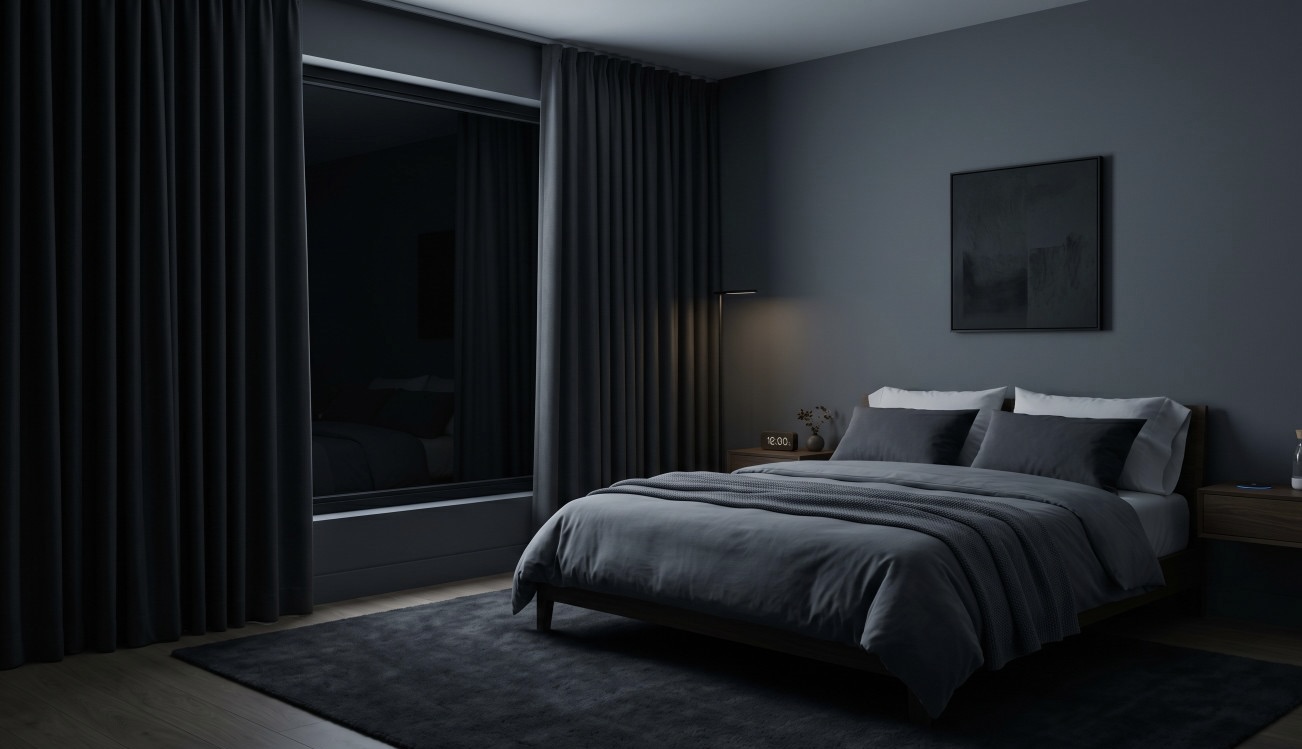
We are in the middle of a sleep revolution. After decades of a cultural narrative that glorified sleep deprivation as a badge of productivity, the science has spoken clearly and loudly: sleep is not a luxury or a weakness. It is a biological necessity as fundamental as food and water — and optimizing it may be the single highest-leverage investment you can make in your health, performance, and longevity.
In 2026, sleep science has advanced dramatically, and practical tools for improving sleep quality have never been more accessible. This guide covers everything you need to know to get your best sleep — and why it matters more than you might think.
Why Sleep Is Non-Negotiable
The consequences of chronic sleep deprivation are severe and wide-ranging. Cognitively, poor sleep impairs attention, working memory, decision-making, and creative thinking — often more severely than the sleep-deprived person realizes, because sleep deprivation also impairs your ability to accurately assess your own impairment.
Physically, chronic short sleep (under 7 hours per night) is associated with significantly elevated risks of obesity, type 2 diabetes, cardiovascular disease, and immune dysfunction. A landmark study from the University of California, Berkeley found that sleep-deprived immune cells become less effective at fighting infection and more prone to inflammation — two outcomes with profound long-term health consequences.
Mentally, sleep is when the brain processes and consolidates emotional experiences. The REM sleep phase specifically helps the brain process difficult emotions and memories in a way that reduces their emotional charge — a process that researchers at UC Berkeley call “overnight therapy.” Chronic REM disruption is strongly linked to anxiety, depression, and PTSD.
Understanding Your Sleep Architecture
Sleep is not a uniform state — it cycles through distinct phases throughout the night, each serving different biological functions. A complete sleep cycle lasts approximately 90 minutes and includes light sleep (NREM stages 1 and 2), deep slow-wave sleep (NREM stage 3), and REM (rapid eye movement) sleep.
Deep slow-wave sleep — predominant in the first half of the night — is critical for physical restoration, immune function, and memory consolidation. REM sleep — predominant in the second half of the night — is essential for emotional processing, creativity, and learning consolidation. This is why cutting your sleep short by even an hour or two disproportionately reduces your REM sleep and its associated benefits.
The Science of Circadian Rhythm
Your sleep-wake cycle is governed by your circadian rhythm — a roughly 24-hour internal clock regulated primarily by light exposure. Understanding and working with your circadian rhythm, rather than against it, is the foundation of sleep optimization.
Bright light exposure in the morning — particularly natural sunlight within 30 to 60 minutes of waking — is the most powerful signal to your circadian clock that the day has begun. It triggers cortisol (which promotes alertness and energy), suppresses melatonin, and sets the timing of your entire circadian cycle for the day — including when you will naturally become sleepy in the evening.
Conversely, exposure to bright, blue-toned artificial light in the evening delays melatonin production and shifts your circadian clock later, making it harder to fall asleep at your intended time. This is why screens in the bedroom are so disruptive to sleep quality — and why the simple habit of dimming lights and avoiding screens in the two hours before bed is one of the most effective sleep interventions available.
The Temperature Factor
Core body temperature must drop by approximately 1 to 2 degrees Celsius (2 to 3°F) for sleep onset to occur and be maintained. This is why warm environments make it difficult to sleep and why the ideal sleeping temperature for most people is between 65 and 68°F (18 to 20°C).
Practical strategies to support sleep-conducive temperature include keeping the bedroom cool, using breathable natural fiber bedding (cotton or linen rather than synthetic), and taking a warm shower or bath 1 to 2 hours before bed — a counterintuitive tip that works because the subsequent rapid cooling of your body surface as you warm triggers your core temperature to drop, accelerating sleep onset.
Sleep Tracking in 2026
Wearable sleep trackers have matured significantly in 2026. Devices like the Oura Ring (Gen 4), Whoop 5.0, and the Apple Watch Series 11 now provide remarkably accurate data on sleep stages, heart rate variability, respiratory rate, and sleep regularity — giving users unprecedented insight into their actual sleep quality rather than relying on subjective perception.
Sleep tracking is most useful not for optimizing every metric obsessively (a tendency that can paradoxically increase sleep anxiety) but for identifying patterns — which habits, schedules, and environmental factors consistently correlate with your best and worst nights of sleep.
Common Sleep Disruptors to Address
Several common habits significantly impair sleep quality. Caffeine has a half-life of approximately 5 to 7 hours in most people — meaning that an afternoon coffee at 3pm still has half its stimulating effect in your system at 8 or 9pm. Alcohol, despite feeling like a sleep aid, suppresses REM sleep and causes fragmented sleep in the second half of the night. Irregular sleep schedules — varying your sleep and wake times significantly from day to day — disrupt your circadian rhythm in ways that have measurable health consequences similar to mild chronic jet lag.
When to Seek Help
If you consistently struggle to fall asleep, stay asleep, or feel rested despite adequate sleep time, it’s worth speaking with a healthcare provider. Cognitive Behavioral Therapy for Insomnia (CBT-I) is now recognized as the most effective long-term treatment for chronic insomnia — more effective than sleep medication and without the risks of dependency. Sleep apnea, which affects an estimated 1 billion people globally, is dramatically underdiagnosed and, when treated, produces transformative improvements in energy, mood, and health.
Conclusion
Sleep optimization in 2026 is both a science and a practice — one that pays dividends in every area of your life. The good news is that the most impactful sleep improvements don’t require expensive gadgets or complex protocols. They require consistency: a regular sleep schedule, morning light exposure, a cool dark bedroom, and an evening routine that signals to your brain that the day is done. Start there. Your body knows how to sleep deeply — it just needs the right conditions to do so.