
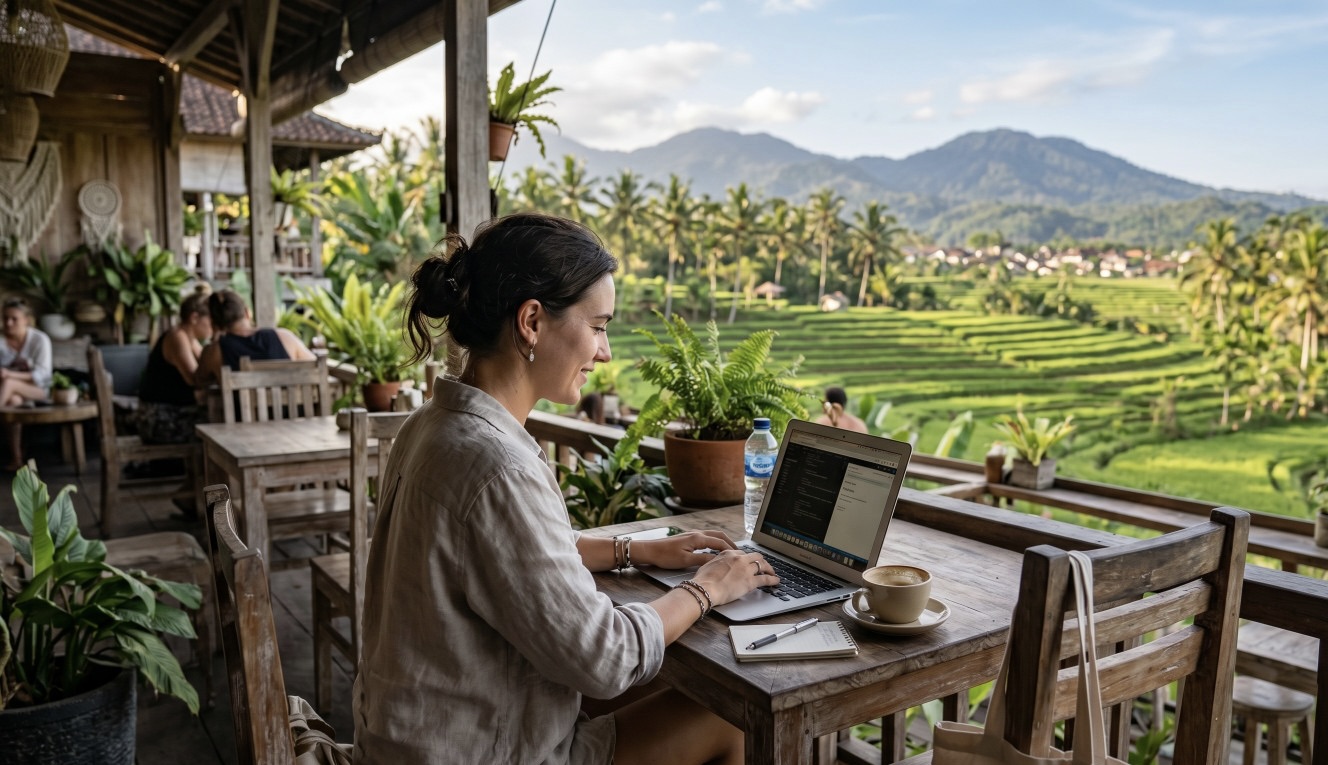
The number of people working remotely while traveling the world has grown exponentially in recent years, and in 2026 the digital nomad lifestyle is well and truly mainstream. With over 35 million digital nomads globally and a growing number of countries offering dedicated digital nomad visas, the infrastructure for location-independent work has never been better.
But not all destinations are created equal for remote work. The ideal digital nomad base balances fast and reliable internet, affordable cost of living, a welcoming visa regime, a safe environment, a thriving nomad community, and enough to explore to make the location itself worthwhile. This guide covers the best countries for digital nomads in 2026.
What Makes a Great Digital Nomad Destination?
Before diving into specific destinations, it’s worth understanding what the best nomad bases have in common. Reliable, fast internet is non-negotiable — ideally fiber or 5G available in most urban areas. A reasonable cost of living is crucial for sustainability, particularly for freelancers and early-stage entrepreneurs. A straightforward visa situation — whether a dedicated digital nomad visa or a generous tourist visa — determines how long you can legally stay and work. Safety, healthcare quality, and time zone compatibility with key clients or employers round out the key factors.
Top Digital Nomad Destinations in 2026
1. Portugal — The Nomad Capital of Europe
Portugal has positioned itself as Europe’s premier digital nomad destination, and its popularity shows no signs of slowing. Lisbon and Porto offer world-class infrastructure, excellent co-working spaces, an enormous English-speaking expat and nomad community, and a quality of life that is hard to beat. The Portugal Digital Nomad Visa, available since 2022 and continuously refined, allows remote workers to live legally for up to two years with clear renewal pathways.
The cost of living, while rising, remains significantly lower than Western European capitals — and outside Lisbon and Porto, cities like Braga, Coimbra, and the Algarve coast offer even more affordable options with excellent quality of life.
2. Bali, Indonesia — The Nomad Classic
Bali has been a digital nomad hub for over a decade — and in 2026, it remains one of the world’s most popular remote work destinations for good reason. Canggu and Ubud are packed with beautifully designed co-working spaces and cafes with fast fiber internet. The cost of living is extraordinarily low compared to Western countries. And the combination of stunning natural beauty, rich culture, world-class surfing, and extraordinary food makes it endlessly rewarding to live in.
Indonesia’s E35B Visa — a dedicated digital nomad visa launched in 2024 — allows remote workers to live and work in Indonesia tax-free for up to five years, cementing Bali’s status as a top-tier nomad destination.
3. Colombia — South America’s Nomad Hub
Medellín, Colombia has undergone one of the most remarkable urban transformations in the world — from one of the world’s most dangerous cities to a thriving tech and innovation hub that consistently ranks among the best cities in the Americas for digital nomads. The combination of an ideal climate (Medellín sits at elevation and enjoys near-perfect spring-like temperatures year-round), low cost of living, fast internet, outstanding food, and a large and welcoming English-speaking nomad community makes it a top destination.
Colombia’s digital nomad visa, launched in 2025, allows remote workers to stay for up to two years with straightforward renewal.
4. Georgia — Europe’s Best Value
The country of Georgia offers a compelling combination of extreme affordability, straightforward visa access (citizens of most countries can stay visa-free for up to 365 days), fast internet in Tbilisi, and a rapidly growing nomad community that has been drawn by the country’s extraordinary value. Tbilisi’s cost of living is among the lowest of any capital city that attracts significant nomad traffic — and the food, wine, and culture are genuinely world-class.
5. Thailand — Nomad Infrastructure Perfected
Thailand has been refining its offering for digital nomads for years — and in 2026, it’s as compelling as ever. Bangkok’s network of excellent co-working spaces, fast internet, extraordinary food scene, and excellent transport links make it a superb base. Chiang Mai remains the spiritual home of budget-conscious nomads, offering a laid-back lifestyle, great coffee culture, and a large and helpful nomad community at very low cost. Thailand’s Long-Term Resident (LTR) Visa provides a clear long-term pathway for qualified remote workers.
Practical Tips for the Digital Nomad Life
Before making the leap, a few practical considerations: always test your internet connection with a VPN (to simulate your home country connection) before committing to an accommodation. Invest in a portable 4G/5G router as a backup for unreliable hostel or café WiFi. Understand your tax obligations in your home country — most countries tax their citizens on worldwide income regardless of where they live, making tax planning essential. And build a financial buffer — at least three months of living expenses — before going fully nomadic.
Conclusion
The digital nomad lifestyle in 2026 is more accessible, better supported, and more sustainable than ever before. Visa pathways, co-working infrastructure, and nomad communities have matured to the point where location-independent work is a genuine, long-term lifestyle choice — not just a travel experiment. Whether you’re looking for European culture, tropical beaches, mountain adventures, or vibrant urban energy, there is a nomad destination that fits your work style, budget, and wanderlust. The world is your office — and it’s open for business.