
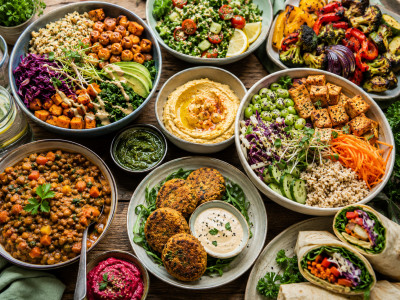
Plant-based eating has moved definitively from fringe lifestyle choice to mainstream dietary movement — and in 2026, it continues to grow in popularity for a compelling combination of health, environmental, and ethical reasons. Whether you’re curious about reducing meat consumption, trying Meatless Monday, or considering a fully plant-based diet, this guide gives you everything you need to get started confidently.
The good news: eating more plants doesn’t have to mean sacrifice, deprivation, or eating food that tastes like cardboard. Modern plant-based cooking is vibrant, satisfying, and more accessible than ever. Here’s how to begin.
What Does Plant-Based Eating Actually Mean?
Plant-based eating exists on a spectrum, and it’s important to understand that you don’t have to go fully vegan to reap significant benefits. The term covers several approaches: fully vegan (no animal products whatsoever), vegetarian (no meat or fish, but may include eggs and dairy), flexitarian (primarily plant-based with occasional meat or fish), and simply eating more plants (making plants the center of your plate while reducing — but not eliminating — animal products).
Research consistently shows that even partial shifts toward plant-based eating — reducing meat consumption and increasing plant food variety — produce meaningful improvements in health outcomes. You don’t have to be perfect to benefit significantly.
The Health Case for Plant-Based Eating
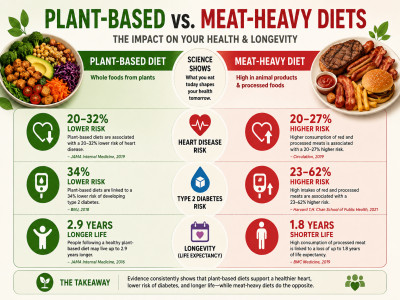
The health benefits of predominantly plant-based diets are well-documented across decades of research. A 2019 analysis in the Journal of the American Heart Association, reviewing data from over 12,000 middle-aged adults, found that those with the highest adherence to plant-based diets had a 16% lower risk of cardiovascular disease and a 32% lower risk of cardiovascular mortality.
Plant-based diets are also consistently associated with lower body weight, reduced risk of type 2 diabetes, lower rates of certain cancers (particularly colorectal cancer), and longer lifespan. The mechanisms are multiple: plant foods are rich in fiber, antioxidants, and phytonutrients that reduce inflammation, support gut health, and protect cells from damage.
[IMAGE PLACEHOLDER: Infographic comparing health outcomes of plant-based vs. meat-heavy diets — heart disease risk, diabetes, longevity]
Essential Nutrients to Pay Attention To
A well-planned plant-based diet can meet all nutritional needs — but “well-planned” is the operative phrase. Several nutrients deserve particular attention.
Protein: Plant foods contain protein, but most have incomplete amino acid profiles. Eating a variety of plant proteins throughout the day — legumes, tofu, tempeh, edamame, quinoa, nuts, seeds, and whole grains — ensures you get all essential amino acids without needing to carefully combine proteins at every meal.
Vitamin B12: Found almost exclusively in animal products, B12 is a critical nutrient that plant-based eaters must supplement. A daily B12 supplement (or regular consumption of B12-fortified foods like nutritional yeast and plant milks) is non-negotiable for vegans and important for long-term vegetarians.
Iron: Plant-based iron (non-heme iron) is less bioavailable than the heme iron in meat. Eating iron-rich plant foods (lentils, tofu, fortified cereals, pumpkin seeds, dark leafy greens) alongside vitamin C-rich foods significantly increases absorption.
Omega-3 fatty acids: The plant form (ALA, from flaxseed, walnuts, chia seeds) is converted inefficiently to the active forms (EPA and DHA) the body needs. Algae-based omega-3 supplements provide EPA and DHA directly — the same source that fish get their omega-3s from — and are an excellent option for plant-based eaters.
Calcium, Vitamin D, and Zinc: These require attention but are readily available through a combination of fortified plant foods and targeted supplementation where needed.
Building a Plant-Based Pantry
Stocking the right pantry staples makes plant-based cooking easy and delicious. Essentials include: a variety of dried or canned legumes (lentils, chickpeas, black beans, kidney beans), whole grains (brown rice, quinoa, oats, whole wheat pasta), canned tomatoes, vegetable stock, a good range of spices and dried herbs, extra virgin olive oil, nuts and seeds, tahini, soy sauce or tamari, nutritional yeast (for cheesy flavor and B12), and tofu or tempeh.
With these staples, you can produce an almost limitless variety of satisfying, protein-rich plant-based meals without any exotic ingredients.
[IMAGE PLACEHOLDER: Well-organized plant-based pantry with legumes, whole grains, nuts, seeds, and spices in clear jars]
Simple Plant-Based Recipes to Start With
Starting with familiar flavors and formats makes the transition much easier. A pasta with tomato and lentil sauce instead of meat sauce. A chickpea curry using your favorite spice profile. A grain bowl with roasted vegetables, a grain, a legume, and a tahini dressing. A vegetable stir-fry with tofu and your favorite Asian-inspired sauce. These are simple, satisfying dishes that require no special skills and will convince even skeptical family members.
The Environmental Case for Eating More Plants
Beyond personal health, reducing meat consumption — particularly beef and dairy — is one of the most impactful individual actions for reducing your environmental footprint. Animal agriculture accounts for approximately 14.5% of global greenhouse gas emissions. A plant-rich diet produces 50 to 73% fewer greenhouse gas emissions than a meat-heavy diet, uses dramatically less land and water, and contributes significantly less to deforestation and biodiversity loss.
In 2026, with climate change impacts becoming increasingly concrete and urgent, the connection between food choices and environmental outcomes resonates more strongly than ever.
Conclusion
Plant-based eating in 2026 is not a sacrifice — it’s an upgrade. More varied flavors, better health outcomes, a lighter environmental footprint, and a genuinely vibrant relationship with food await anyone willing to explore this way of eating. Start where you are. Add more plants to what you already love. Explore one new plant-based recipe per week. Over time, the cumulative impact — on your health, your energy, and the world — will surprise you.